Back to News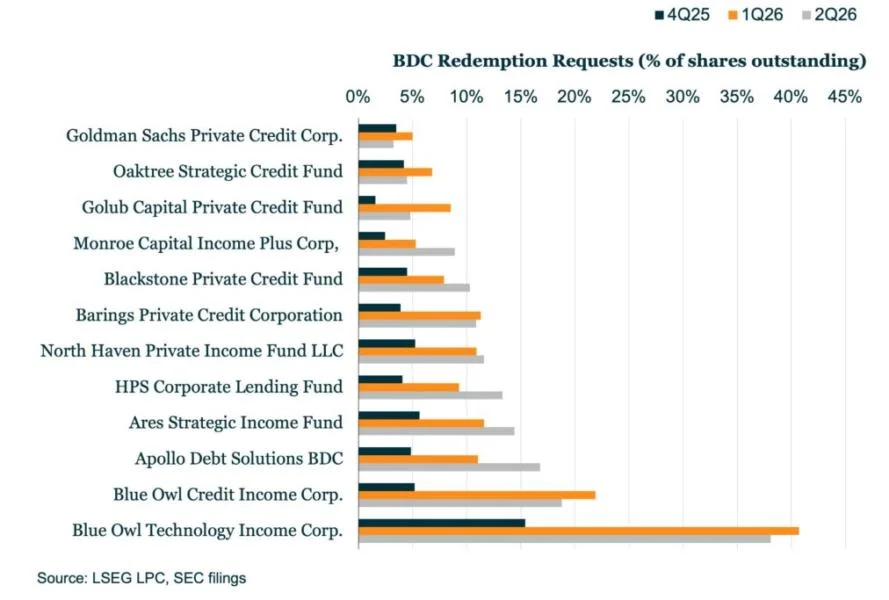
US Private Credit Stress Hits 2017 High: Why It Matters for Bitcoin?
By Exbasi Intelligence
Sourced from BeincryptoThe US private credit market, valued at over $2 trillion, is flashing stress signals not seen since 2017, raising the question of what deteriorating loans could mean for Bitcoin.The connection runs through liquidity and risk sentiment rather than any direct exposure between the two markets.The Stress Signals Building in US Private CreditNon-accrual loans are credits in which the borrower has stopped making payments or in which default is likely. That metric just hit a multi-year high.The Financial Times reported the figures, based on Solve data. Non-accrual loans reached a median of 2.8% of cost across the twenty largest listed US Business Development Companies during the second quarter.That level , when the same measure sat near 2%. It marks the highest reading in nearly a decade, comparable to stress triggered by the 2017 oil price collapse.Redemption pressure compounds the picture. Some funds received withdrawal requests reaching 40% of net asset value, though most gates limit quarterly redemptions to 5%. “…In the old days a bad loan slid in plain sight. 100 cents, then 95, then 90, then 70. Everyone saw it coming. Now there is no warning. A loan is marked at 100 one month and zero the next. Lights out. That is why the redemptions are starting. Investors are finally asking what they actually own. And because this is where all the marginal credit in the economy now flows, if it seizes, the crunch does not stay contained…,” Jeffrey P. Snider noted on X. Follow us on X to get the latest news as it happens.9 of the 12 largest non-traded BDCs received redemption requests above the 5% quarterly cap in Q2 2026. Source: X/@junkbondinvestPayment-in-kind arrangements are also expanding. That structure lets borrowers pay interest with more debt rather than cash, often signaling underlying repayment strain.Fitch data adds another layer. Default rates touched recent highs, with stress concentrating in software, which is vulnerable to AI disruption, and healthcare.Elevated US interest rates and a still-resilient domestic economy form the backdrop. Regulators have not flagged any imminent systemic risk, and several managers continue to publicly downplay the episode.Why This Could Cut Both Ways for BitcoinPrivate credit stress does not directly affect Bitcoin. The impact comes through market risk and liquidity.If defaults rise and investors become nervous, they may sell liquid assets to raise cash. Bitcoin can be hit quickly because it trades 24/7 and is easy to sell through both . That makes worsening credit stress a short-term risk for BTC.The picture can change if the problem becomes serious enough to slow the US economy. A broader credit crunch could push the Federal Reserve toward rate cuts or other measures that increase liquidity.That would generally be more supportive for Bitcoin.So the key takeaway is simple. Worsening private credit stress could pressure BTC first. If it later forces the Fed to ease monetary policy, the same stress could become a positive catalyst for Bitcoin.